Professional Certificate in Oil-Palm Investment Foundations

Program Summary

Location

Start Dates

Fees

Mode of study

Course Overview

Oil palm is one of the most versatile and profitable tree crops in the world, forming the backbone of billion-dollar industries that supply food, energy, and consumer goods across continents. From edible oils and biofuels to cosmetics and pharmaceuticals, oil palm continues to secure strong and lasting demand in global markets. For individuals and institutions seeking a platform for generational wealth, lifetime income, and sustainable enterprise, this program provides the essential entry point.

The Oil Palm Investment Foundations Program introduces participants to the full spectrum of opportunities in the oil palm sector. It is designed to give a clear understanding of what it takes to establish, finance, and manage oil palm enterprises at plantation and value chain levels.

Participants will gain insights into:

  • Generational Wealth Potential: How oil palm serves as a foundation for building enduring income and legacy wealth through plantations and integrated estates.
  • Global Value and Demand: Why oil palm remains in constant global demand, driven by the food industry, renewable energy markets, and expanding uses in cosmetics, personal care, and pharmaceuticals.
  • Plantation Establishment and Site Selection: Key considerations in identifying the right land, climate, and ecological conditions for profitable oil palm estates.
  • High-Yield Varieties and Early Maturity: Improved oil palm hybrids and management systems that ensure high yields and sustainable returns.
  • Feasibility Studies and Business Planning: Frameworks for assessing investment viability, structuring financing, and projecting profitability.
  • Operations and Labour Management: Effective strategies for managing large-scale plantations, labour systems, and estate operations.
  • Investment Risk Management: Practical approaches to managing risks such as price volatility, land conflicts, environmental pressures, and regulatory compliance.
  • Financial and Investment Planning: Tools for creating sound financial models, designing investment portfolios, and managing long-term cash flows.
  • Value Chain Optimization: Opportunities in refining, processing, and product diversification; from palm oil and palm kernel oil to biodiesel, oleochemicals, and specialty products.

This program provides a structured, investor-oriented foundation for anyone considering entry into oil palm investments. By the end, participants will have the clarity, frameworks, and insights required to evaluate opportunities and make informed decisions in one of the world’s most lucrative tree crop sectors.
Who Should Attend

This program is designed for individuals and institutions who are ready to explore oil palm as a long-term wealth platform. You should attend if:

  1. You are an entrepreneur or professional seeking to diversify into a profitable, globally demanded commodity.
  2. You are an investor or family office looking for generational assets that provide lifetime and residual income.
  3. You represent a cooperative, agribusiness, or development institution exploring commercial oil palm projects.
  4. You are a landowner or estate developer interested in structured plantation models and integrated value chain opportunities.
  5. You are a policymaker, banker, or stakeholder seeking deeper insight into oil palm as a strategic investment sector.

What You Will Achieve

1

Diverse Food Product Focus

Our program covers a wide spectrum of food products, ensuring that students are well-versed in the processing and post-harvest management of fruits, vegetables, grains, meats, dairy, seafood, and other commodities. This comprehensive approach equips graduates to excel in various sectors of the food industry.

2

Strong Focus on Food Quality Control and Safety

A dedicated module on food quality control, standards, and certifications equips students with the expertise to maintain and ensure the highest standards of food quality and safety. Graduates will understand the importance of adhering to regulatory standards and certifications in the food industry.

3

Market Analysis and Trends

Graduates will be well-prepared to identify market trends, assess consumer preferences, and make informed decisions to maximize economic returns in the food processing and post-harvest sector.

Program Structure

Module 1

The Global Oil Palm Economy

Participants will learn:

  1. How global oil palm production and consumption trends shape investment opportunities
  2. Why palm oil remains in strong demand as the world’s most consumed edible oil
  3. The role of oil palm in food security, biofuels, cosmetics, and industrial applications
  4. Africa’s position in global oil palm markets and the opportunities for expansion

Module 2

Oil Palm as a Platform for Generational Wealth

Participants will learn:

  1. How oil palm plantations generate steady, long-term income for decades
  2. Wealth-building models through estates, cooperatives, and institutional projects
  3. Case studies of family legacies and enterprises built around oil palm cultivation and processing

Module 3

Plantation Establishment and Site Selection

Participants will learn:

  1. How to identify the right land, soil, and climatic conditions for oil palm estates
  2. What feasibility studies reveal about project costs, timeframes, and profitability
  3. The potential of improved, high-yielding tenera varieties and their impact on returns

Module 4

Operations and Estate Management

Participants will learn:

  1. How to design and manage large-scale oil palm plantations efficiently
  2. Labour management models for estates and smallholder outgrower schemes
  3. Budgeting, cost management, and ensuring compliance with sustainability standards

Module 5

Financial Planning for Oil Palm Investments

Participants will learn:

  1. How to prepare a professional business plan for oil palm ventures
  2. Structuring financing, including debt, equity, and blended capital models
  3. Forecasting cash flows, profitability, and long-term investment structures

Module 6

Managing Risks in Oil Palm Investments

Participants will learn:

  1. How to identify and mitigate risks such as climate variability, pests, and diseases
  2. Addressing land ownership, legal, and environmental compliance risks
  3. Managing price volatility and global trade fluctuations
  4. Developing comprehensive risk management plans for long-term stability

Module 7

Value Chain and Diversification Opportunities

Participants will learn:

  1. The oil palm value chain: from fresh fruit bunches to crude palm oil and palm kernel oil
  2. Investment opportunities in refining, fractionation, biodiesel, and oleochemicals
  3. Diversification into cosmetics, pharmaceuticals, and industrial applications
  4. Models for capturing more value locally through processing and exports

Module 8

Strategic Decision-Making for Investors

Participants will learn:

  1. The key considerations before committing to oil palm investments
  2. How to create succession and long-term wealth management plans
  3. Strategies for scaling oil palm investments sustainably across plantations and processing facilities

Module 9

Oil Palm Plantation, Processing, and Export Visits

Participants will learn:

  1. What a modern, commercial oil palm plantation looks like in practice
  2. How palm oil and palm kernel oil are processed in mills and refineries
  3. Export logistics, warehousing, and certification systems for global competitiveness
  4. Practical perspectives from planters, processors, and exporters

Program Bonuses

  1. Oil Palm Plantation Feasibility Study: All participants will receive a ready-to-use feasibility study with financial models and profitability projections for oil palm investments at the end of the program.
  2. Access to Sources of Planting Material: All participants will be linked to verified sources of improved, high-yield tenera oil palm seedlings and other critical plantation inputs.
  3. Cluster Farm Estate Opportunities: All participants will have access to verified and suitable commercial farm estates where they can acquire farmland under a structured cluster model, reducing risks and benefiting from shared infrastructure.
  4. Investor and Exporter Network: All participants will gain access to a network of palm oil associations, processors, exporters, and financing partners actively engaged in the oil palm value chain.
  5.  

Certification

  1. Participants who successfully complete the program will earn the:

    Professional Certificate in Oil Palm Investment Foundations
    awarded by the Nigerian College of Agribusiness.

    This certification will position you as a credible and informed professional and investor ready to build lasting wealth through oil palm plantations and value chain opportunities.

Faculty

  1. This course will be delivered by seasoned professionals with proven experience in managing oil palm plantations, milling operations, refining projects, and investment ventures across Nigeria and some of the leading oil palm producing countries in Africa. Their expertise combines hands-on field knowledge with strategic investment insights, giving participants both practical and business perspectives on oil palm as a platform for wealth creation.
Why Study at the Nigerian College of Agribusiness?

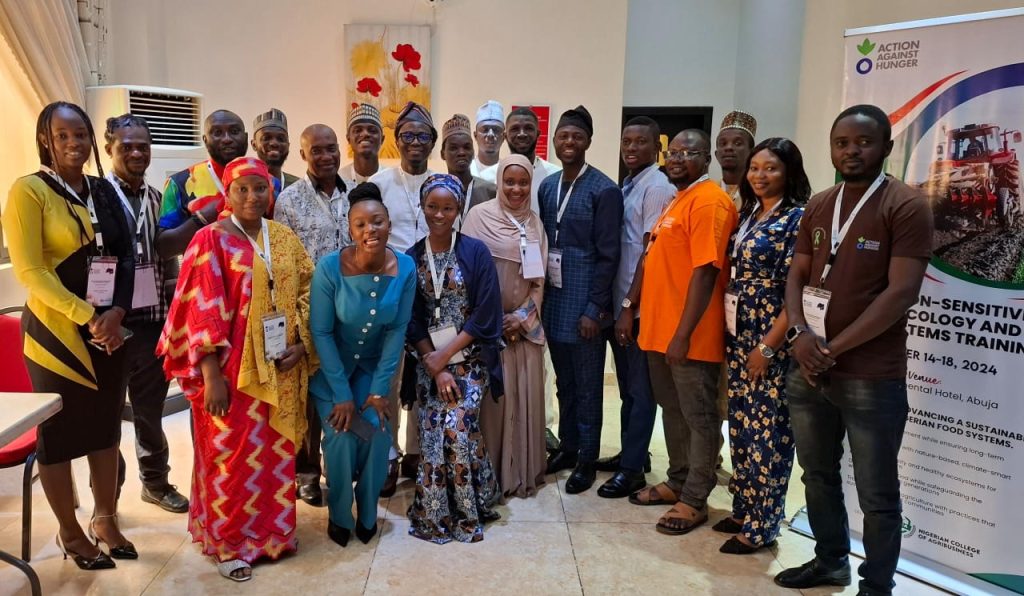
No other institution in Africa offers such a comprehensive approach to agribusiness and development sector education as the Nigerian College of Agribusiness. We provide a unique blend of academic rigor, practical expertise, and industry connections. Here, you will learn from experienced faculty members who are experts in their fields and deeply engaged with the latest advancements in their industries.

We leverage interdisciplinary knowledge and the latest research to enhance our programs, ensuring they are relevant and impactful. At NCA, you will continuously engage with thought leaders who are constantly shaping the dynamics of their industries and after graduation, you will be a life-long member of a vibrant alumni community that continually foster cross-disciplinary learning and networking.

Admission Process

STEP 1: Click on the Apply Now icon below and complete the Application for Admission Form for the course.

STEP 2: Submit the completed form

STEP 3: Once your application is successfully evaluated, you will receive your Admission Letter confirming your acceptance into the program. The letter will also contain details for tuition payment and enrollment.

Tuition Fees

Local: N450,000

Instalment payment plan available.

Subscribe to Our Newsletter

Get monthly marketing tips and exclusive discounts straight to your inbox